![1DC 384: [rr sensor] with built-in controller with industrial ethernet output](https://r2r.tech/sites/default/files/2026-03/1DC%20288-IR_0.png)
![1DC 384: [rr sensor] with built-in controller with industrial ethernet output](https://r2r.tech/sites/default/files/styles/thumbnail/public/2026-03/1DC%20288-IR_0.png?itok=q1uLLB7l)
1 / 4
The Hidden Cost of Legacy Sensors
Plants using ultrasonic or infrared sensors lose several hours each month to recalibration when materials change. Every adjustment is labor cost and production time you never recover.
1DC 384
One Sensor. Infinite Possibilities.
10+ Years R&D
1000+ Installations
Setup in <5 Minutes
Key Features
Technical capabilities designed for precision and reliability.
- All-in-one design – integrated sensor and controller eliminates external hardware, cables, and complexity
- Zero recalibration – sensor adapts automatically to any material (clear, opaque, metallic, nonwoven, mesh)
- High resolution – 0.0635 mm (0.0025 in) hardware resolution across the entire sensing width
- Material-agnostic detection – patented fiber-optic technology based on light scattering and spatial filtering
- IP67 protection – sealed aluminum housing withstands harsh industrial environments (IP68 available on request)
- Native industrial Ethernet – EtherNet/IP, PROFINET, EtherCAT, Modbus/TCP, CC-Link IE Field Basic
- Vacuum compatible – operates reliably in vacuum chamber applications
Key Benefits
Measurable business value and operational improvements.
- Stop paying for separate controllers – all-in-one design eliminates external hardware and reduces total system cost
- Eliminate integration complexity – just power and one Ethernet cable replaces multi-component wiring
- End unplanned downtime from cable failures and connector issues between sensors and controllers
- Stop losing hours to sensor recalibration when switching between materials
- Prevent hidden scrap from temperature drift that plagues ultrasonic sensors
Specifications
Detailed technical specifications and performance data.
| Sensor Type | Fiber-optic (diffuse-reflective) | Sensing Range | 384 mm (15.12 in) |
| Hardware Resolution | 0.0635 mm (0.0025 in) | Firmware Resolution | Up to 0.015875 mm |
| Repeatability | ±0.127 mm (±0.005 in) | Linearity Error | <0.25% |
| Response Time | 20 ms standard (about 3.8 ms with special firmware) | Camera Rate | 25–264 Hz (maximum with special firmware) |
| Working Distance | 15–25 mm (0.6–1.0 in) standard; 50–100 mm special | Max Edges | 128 |
| Light Source | IR (880 nm), UV (385 nm), or White | Camera Type | CMOS line scan camera |
| Input Voltage | 20-30 VDC | Current Draw | 150-1500 mA |
| Power Connector | M8 4-pin male A-Coded | Network Connector | M8 4-pin female A-Coded |
| Protocols | EtherNet/IP, PROFINET, EtherCAT, Modbus/TCP, CC-Link IE Field Basic | ||
| Operating Temp | -10°C to 65°C (14°F to 150°F) | Protection Class | IP67 (IP68 available on request) |
| Housing Material | Aluminum alloy (powder coated) | Vacuum Compatible | Yes |
| Controller Required | No (built-in) | Interface | Industrial Ethernet / APP / PLC |
Documentation & Downloads
CAD files, datasheets, manuals, and technical documentation.
Quick Start Guides
Step-by-step setup guides for this product.
Product Videos
Watch demonstrations, tutorials, and application examples.
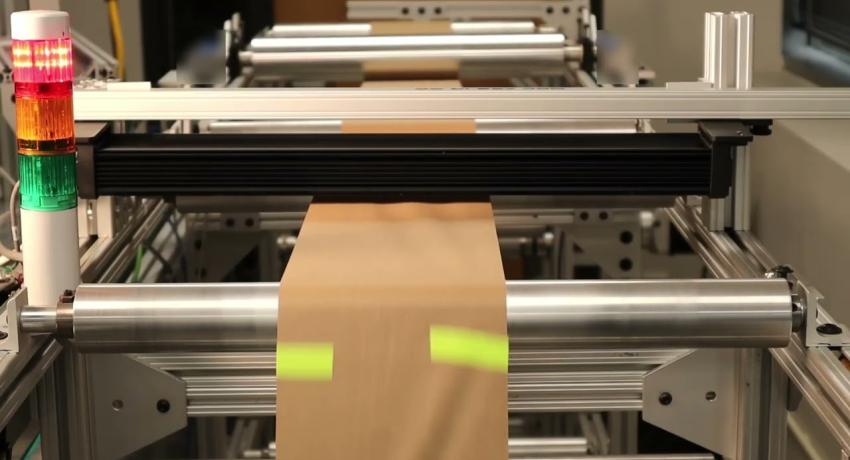
Stop Missing Splices: Automated Detection for Converting Lines | 1DC Series
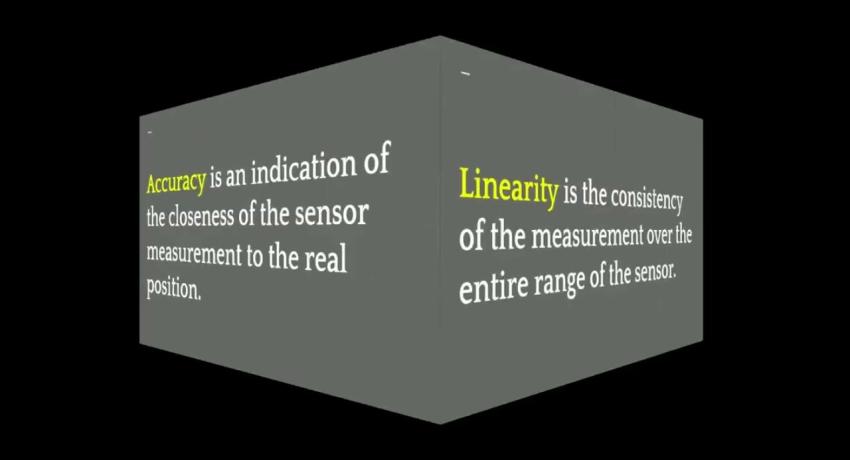
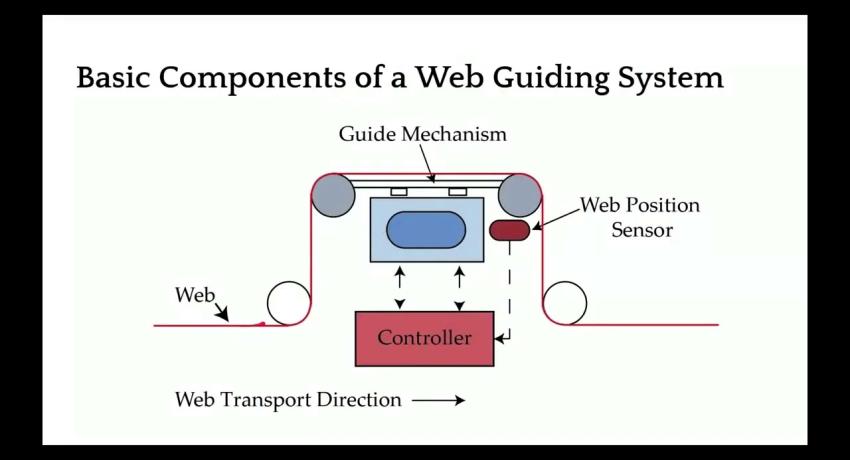
Importance of Sensors in Web Guiding Systems
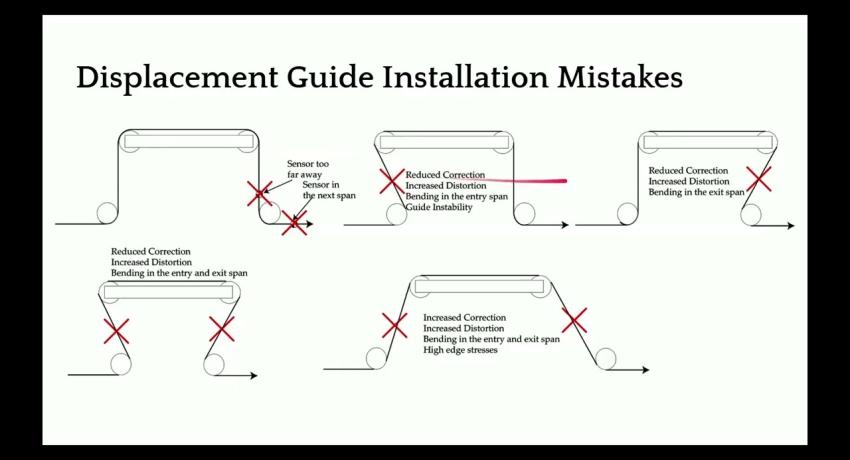
Displacement Guide Installation Mistakes
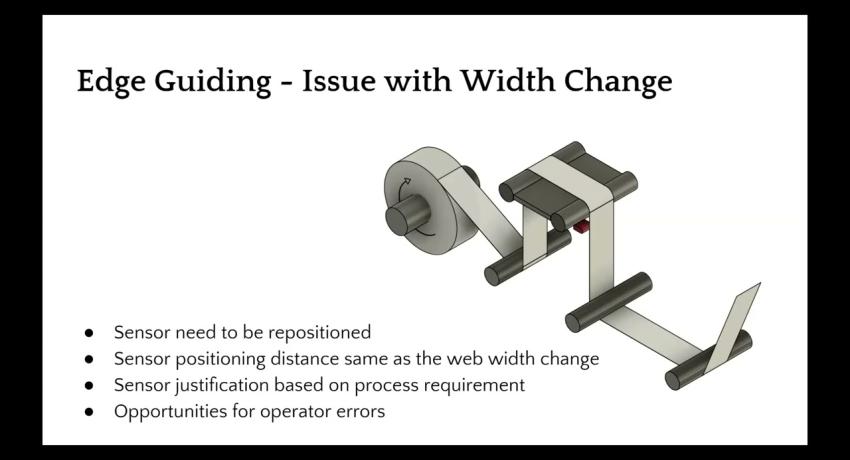
Single Edge Web Guiding Essentials